
 Uk
Uk  Ru
Ru 







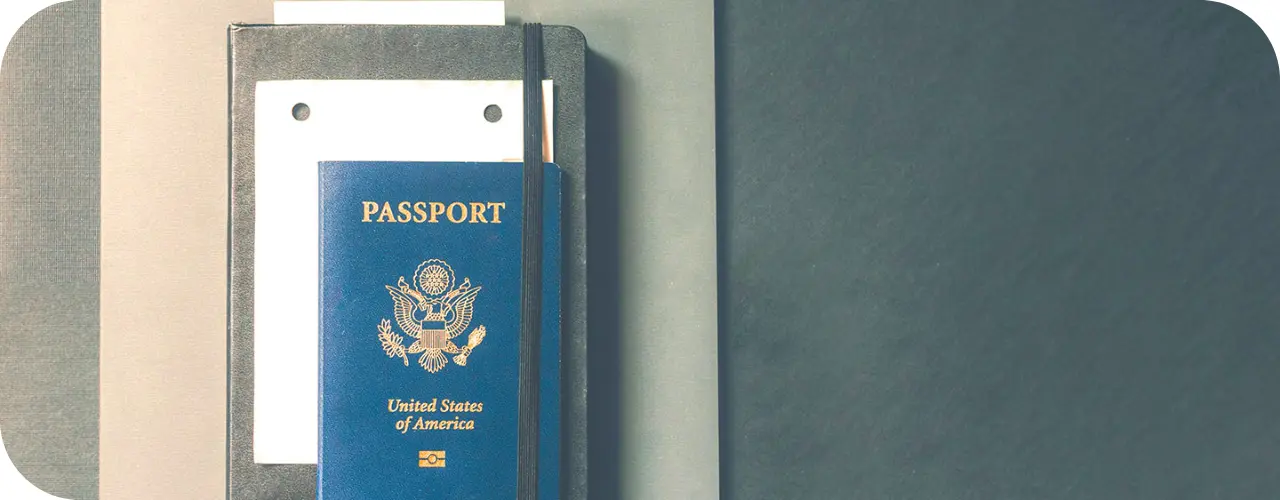
Lost Passport Abroad? What to Do Step by Step
A lost passport abroad can quickly turn a normal trip into a stressful situation, but it does not mean you are stranded. The exact procedure depends on your nationality and the country you are visiting, but the basic steps are usually similar: confirm that the passport is really missing, report the loss when required, contact your embassy or consulate, and arrange a replacement or an emergency travel document.
If this happens while traveling, the most important thing is to act in the right order rather than trying to solve everything at once.
1Make Sure Your Passport Is Really Lost
Before reporting the passport missing, check the places where you last used or carried it: your hotel room or safe, reception desk, restaurant, taxi, rental-car office, train, airport lounge, or luggage.
Contact any businesses or transport providers you recently used. In many cases, passports are handed to staff or local lost-and-found services. If you still cannot find it, or you believe it was stolen, move on to the next steps.
2Report the Lost or Stolen Passport
A missing passport should be reported to the authority that issued it as soon as possible. The exact process varies by country: some governments allow online reporting, while others handle it through their embassy or consulate.
Once a passport has officially been reported lost or stolen, it may be cancelled and no longer be valid for international travel even if you later find it. For example, the U.S. Department of State explicitly warns that a reported passport cannot be used again after cancellation.
That is why it makes sense to do a thorough search before formally reporting the document lost.
3Contact Your Embassy or Consulate
If you have a lost passport while traveling, your country’s embassy or consulate should normally be one of your first official points of contact.
Look for the nearest diplomatic mission on your government’s official website and check:
- whether you need an appointment;
- which forms are required;
- what identification you should bring;
- whether passport photos are needed;
- what fees apply;
- how urgent travel is handled.
Bring anything that can help establish your identity: a national ID card, driving licence, photocopy or photo of your passport, another government-issued document, or digital copies stored securely online.
The available solution depends on your nationality. Some countries may issue a replacement passport, while others may provide an emergency or limited-validity document.
4Report Theft or Loss to Local Police When Appropriate
If your passport was stolen, reporting the incident to local police is especially important. Even when a police report is not universally mandatory for replacing a passport, it can provide an official record of what happened and may be useful for your embassy, insurance company, or other lost documents.
Requirements differ between countries and national authorities. For example, current U.S. guidance says a police report is not mandatory for a lost or stolen U.S. passport abroad, although it can help document the circumstances.
So before spending hours at a police station purely for passport replacement, check the instructions issued by your own embassy or foreign ministry.
5How to Get an Emergency Passport or Emergency Travel Document
If you need to travel before a full replacement passport can be issued, your embassy may be able to provide an emergency passport, temporary passport, or emergency travel document.
The terminology and rules are not the same everywhere.
For example, British citizens abroad may be able to apply for an emergency travel document when their passport has been lost, stolen, damaged, or expired and they cannot obtain a replacement in time. U.S. authorities may issue a limited-validity emergency passport in certain urgent situations, including the loss or theft of a passport abroad.
You may be asked for some combination of:
- proof of identity;
- proof of citizenship;
- passport photos;
- travel itinerary or tickets;
- details of the lost or stolen passport;
- a police report where required;
- application forms;
- an application fee.
Because requirements vary significantly, use the official government or embassy website for your nationality rather than relying on a generic checklist alone.
6Check Where Your Emergency Document Is Valid
An emergency travel document is not always equivalent to a regular passport.
Depending on the document and the issuing country, it may be intended primarily to help you return home or complete a limited itinerary. Some countries or transit points may not accept certain emergency or limited-validity passports.
The U.S. Department of State, for example, advises travelers to check destination entry and exit requirements because some foreign countries may not accept limited-validity passports.
Before booking a new flight, check:
- whether you can transit through another country;
- whether your destination accepts the temporary document;
- whether a direct flight home would be safer;
- whether any visa linked to the lost passport must be replaced.
This step can prevent solving the passport problem only to encounter another one at the airport.
7If Your Bank Cards Were Lost Too
Passports often disappear together with wallets, bags, and other valuables.
If your bank cards were also lost or stolen:
- freeze or block them immediately;
- check recent transactions;
- contact your bank if you see anything suspicious;
- keep a backup card active if it was stored separately;
- update cards saved in mobile wallets if necessary.
This is also why it is useful not to keep your passport, every payment card, and all your cash in the same bag.
For more ways to reduce financial problems during a trip, see our guide “How to Avoid Unexpected Travel Expenses”.
8What About Other Lost Documents?
If your driving licence, national ID, insurance documents, residence permit, or other papers disappeared together with your passport, each may have a separate replacement procedure.
Your priority abroad should usually be to restore your ability to:
- prove your identity;
- travel legally;
- return home or continue your journey.
After that, deal with the remaining documents according to the rules of the authorities that issued them.
Residence permits and visas can require special attention because they may be tied to the lost passport. Contact the relevant immigration authority or embassy rather than assuming that a replacement passport automatically restores everything attached to the old one.
What to Prepare Before You Travel
A few minutes of preparation can make a passport stolen abroad or lost-passport situation much easier to manage.
Before leaving:
- save a photo or scan of your passport;
- keep the copy separately from the original;
- store important embassy or consulate contact details;
- avoid carrying every payment card in the same wallet;
- leave a secure copy of key documents with someone you trust;
- check the validity of your passport before departure;
- keep access to your email and important accounts even if your phone is lost.
A copy of your passport is not a substitute for the real document, but it can help you provide passport details and establish your identity when speaking with consular staff.
Conclusion
If you have a lost passport abroad, start with the basics: make sure it is really missing, report it through the correct official channel, contact your embassy or consulate, and find out whether you need a replacement passport, an emergency passport, or an emergency travel document. The exact procedure is different for every nationality, so your government’s official travel or consular website should always be the final source for requirements, fees, and acceptable documents.
If you are planning a trip and would like help organizing your route, flights, accommodation, and other travel details in advance, fill out our short form – the Persey Travel team will help plan your trip around your dates, budget, and travel style.
- Make Sure Your Passport Is Really Lost
- Report the Lost or Stolen Passport
- Contact Your Embassy or Consulate
- Report Theft or Loss to Local Police When Appropriate
- How to Get an Emergency Passport or Emergency Travel Document
- Check Where Your Emergency Document Is Valid
- If Your Bank Cards Were Lost Too
- What About Other Lost Documents?
- What to Prepare Before You Travel
- Conclusion