
 Uk
Uk  Ru
Ru 





How to Pay Abroad Without Extra Fees
When traveling, you can lose money not only on expensive flights or poor booking choices. Unfavorable currency conversion, ATM charges, double conversion, or choosing the wrong payment currency can quietly make every purchase more expensive.
To avoid this, it is important to understand not only where to exchange money, but also how paying abroad actually works: when to use a card, when cash is useful, and which messages on payment terminals and ATMs deserve extra attention.
1Pay in Local Currency When Using Your Card
In shops, restaurants, and hotels, the payment terminal may offer you a choice between paying in the local currency or in the currency of your card.
The second option can feel more convenient because you immediately see a familiar amount. But this is where dynamic currency conversion may apply: the conversion is handled by the payment terminal provider rather than your bank.
You can read more about how Dynamic Currency Conversion works on Visa’s official website.
In most cases, it is better to pay in local currency and let your bank handle the conversion. However, it is still worth checking your bank’s exchange-rate policy before the trip.
2Do Not Automatically Accept an ATM’s Conversion Rate
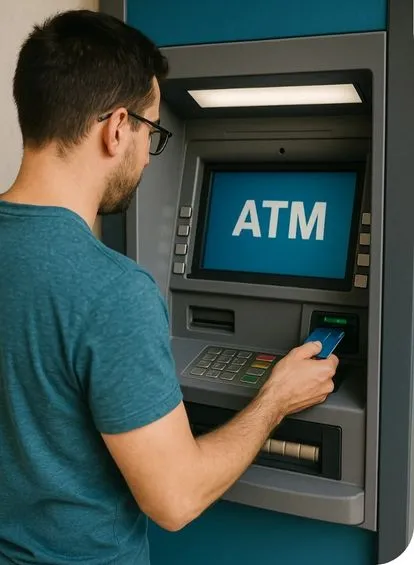
A similar situation can happen when withdrawing cash. An ATM may offer its own “guaranteed exchange rate” and show the final amount in your home currency.
That does not mean the rate is favorable.
If the ATM lets you choose between its own conversion and being charged in local currency, compare both options carefully. Be especially cautious if the screen shows an additional markup or a noticeably worse rate.
3Check Your Card Fees Before You Travel
The same purchase abroad can cost a different amount depending on which card you use.
Before the trip, check:
- whether your bank charges a foreign transaction fee;
- which exchange rate is used for conversion;
- whether there is a fee for withdrawing cash;
- what daily and monthly limits apply abroad;
- whether there are separate fees for transactions in foreign currencies.
Sometimes choosing the right card saves more money than finding an exchange office with a slightly better rate.
4Use Bank ATMs When Possible
Independent ATMs are common in tourist areas because they are easy to find, but they may charge their own fees or aggressively promote DCC.
If you have a choice, use an ATM operated by a large local bank.
Before confirming a cash withdrawal abroad, always check whether the ATM shows an extra service charge. If the fee looks too high, cancel the transaction and look for another ATM.
This is especially important because ATM withdrawal fees abroad can vary significantly between operators.
5Avoid Making Many Small Cash Withdrawals
If your bank or the ATM operator charges a fixed fee per transaction, five €20 withdrawals can cost far more than one €100 withdrawal.
If you genuinely need cash, estimate your likely expenses in advance and reduce the number of withdrawals.
At the same time, there is no reason to withdraw your entire travel budget at once. Carrying too much cash creates a different risk: loss or theft.
6Do Not Exchange Money at the First Place You See
Airport and railway-station exchange offices are convenient, but that convenience is often reflected in the exchange rate.
If you need cash immediately after arrival, exchange only a small amount for transport and initial expenses. Then compare rates at banks and exchange offices in the city.
Do not look only at the rate displayed in large numbers. Compare the final amount you will receive after all fees and currency conversion charges.
7Do Not Exchange More Cash Than You Expect to Spend
Any local currency left at the end of your trip may need to be converted again – back into euros, dollars, or your home currency.
That means another possible loss on the exchange-rate spread.
For this reason, keeping a large amount of cash “just in case” is not always worthwhile. It is usually better to estimate your expenses gradually and avoid ending the trip with a significant amount of unused local currency.
8Pay Extra Attention to Deposits
Hotels, car-rental companies, and some other services may place a deposit hold on your card.
Before confirming it, check:
- which currency the deposit will be held in;
- whether it is a temporary hold or an actual charge;
- when the funds should be released;
- whether additional currency conversion fees may apply.
On larger deposits, even a small difference in the exchange rate can become noticeable.
What to Check Before Traveling
Before your trip, spend a few minutes checking:
- the conditions for using credit card abroad or using debit card abroad;
- your bank’s exchange rate and conversion policy;
- fees for cash withdrawals;
- card limits;
- whether cash is widely needed at your destination;
- which currency you should choose when confirming a payment;
- whether you have a backup card in case the main one is blocked.
How Else to Avoid Overpaying While Traveling
Bank fees and currency exchange are only part of the hidden costs of travel. City taxes, hotel deposits, paid baggage, and other small expenses can also increase your total budget. Read more in our guide How to Avoid Unexpected Travel Expenses.
If your main goal is to reduce the overall cost of the trip, you may also find our guide How to Travel Europe on a Budget useful.
Conclusion
To avoid losing money when paying abroad, it is not enough to look for a good exchange rate. You also need to consider who performs the conversion, what fees your card has, what the ATM charges, and which currency you select when confirming a payment.
The simplest rule is: do not accept a conversion automatically until you understand who is providing it and at what rate.
Planning a trip and want to think through the route, flights, accommodation, and additional costs in advance? Fill out our short form – the Persey Travel team will help organize your trip according to your dates, budget, and preferred travel format.
- Pay in Local Currency When Using Your Card
- Do Not Automatically Accept an ATM’s Conversion Rate
- Check Your Card Fees Before You Travel
- Use Bank ATMs When Possible
- Avoid Making Many Small Cash Withdrawals
- Do Not Exchange Money at the First Place You See
- Do Not Exchange More Cash Than You Expect to Spend
- Pay Extra Attention to Deposits
- What to Check Before Traveling
- How Else to Avoid Overpaying While Traveling
- Conclusion